
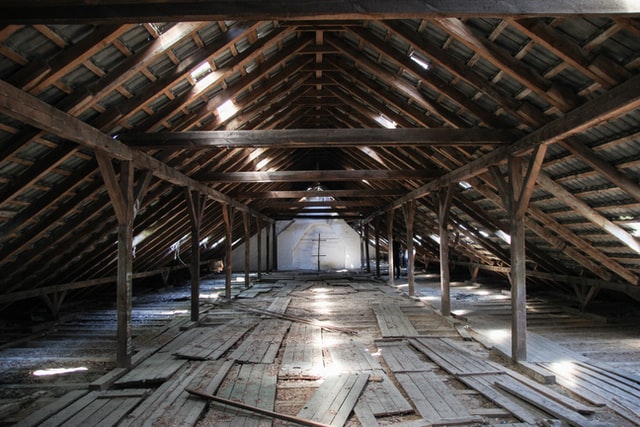




Mold is a common fungus that grows well in moist, organic environments. It thrives in certain temperatures all year round. Knowing when mold season is and how humidity affects it is key.
High humidity can make mold grow faster, which can harm homes and health. Mold can lead to allergies and breathing problems. To prevent this, it’s important to understand how mold changes with the seasons. In severe cases, professional mold removal is needed.
Key Takeaways
- Mold thrives in moisture-rich, organic environments, regardless of the time of year.
- The mold season is influenced by humidity and temperature variations throughout the year.
- Indoor mold and outdoor mold growth can both pose significant health risks.
- Mold can cause allergies and respiratory issues if left untreated.
- Professional mold remediation may be necessary for severe infestations.
- Understanding seasonal mold growth can aid in effective prevention strategies.
Understanding Mold Growth in Different Seasons
The environment greatly affects what time of year is worst for mold. Each season has its own conditions that can either help or hinder mold growth. Knowing these seasonal factors helps in preventing mold and conducting effective inspections.
Spring
Spring brings melting snow and lots of rain, leading to high humidity. This is perfect for mold to grow. Homes need careful moisture management to prevent mold during spring.
Summer
Summer is when mold grows the most because of the heat and humidity. Even air conditioning can cause mold if not maintained properly. Regular checks and upkeep are vital to stop mold problems.
Fall
Fall might be cooler, but mold can grow if conditions are right. Cooler temperatures and less humidity can lead to mold in leaf debris and clogged gutters. Keeping gutters clear helps prevent mold.
Winter
Winter is colder and drier, but mold can grow in poorly insulated or ventilated homes. Moisture from condensation on cold surfaces can create mold-friendly environments. Good insulation and ventilation are essential to fight mold in winter.
What time of year is worst for mold?
Mold growth changes with the seasons, mainly because of humidity and temperature shifts. Summer and fall are the worst times for mold. High temperatures and humidity make it easy for mold spores to grow.
When these spores find damp places, mold quickly spreads. This can be a big problem for people living in homes and buildings.
High humidity and mold go hand in hand. Moisture helps mold grow in many home areas. Places like attics, basements, bathrooms, and kitchens are most at risk in summer and fall.
Warm air and activities that make moisture, like cooking and showering, make these areas even more inviting to mold.
It’s very important to check for mold regularly during these seasons. Early detection and action can stop bigger problems. Keeping air conditioning systems working well, using fans, and dehumidifiers can help control humidity.
While mold can appear anytime, summer and fall are the most critical times to watch out for it. Homeowners should be proactive with regular checks and ways to control moisture to prevent mold.
Conclusion
Knowing how mold grows with the seasons is key to keeping homes healthy. Summer’s humidity and spring and fall’s temperature changes all play a part. To stop mold, it’s important to control moisture and humidity levels.
Checking for mold regularly, insulating well, and improving air flow are important steps. Early checks can spot problems before they get worse. For big mold issues, getting help from mold removal experts is a must.
Outdoor mold can also get into homes, making a complete mold management plan essential. By taking steps to prevent mold and staying alert all year, homes can stay safe and healthy.
Revive Your Property with Green Genie in Buffalo, NY
From water damage restoration to mold remediation, Green Genie delivers fast, professional, and eco-friendly solutions tailored to your needs. Restore your space and peace of mind—request your free consultation today!