
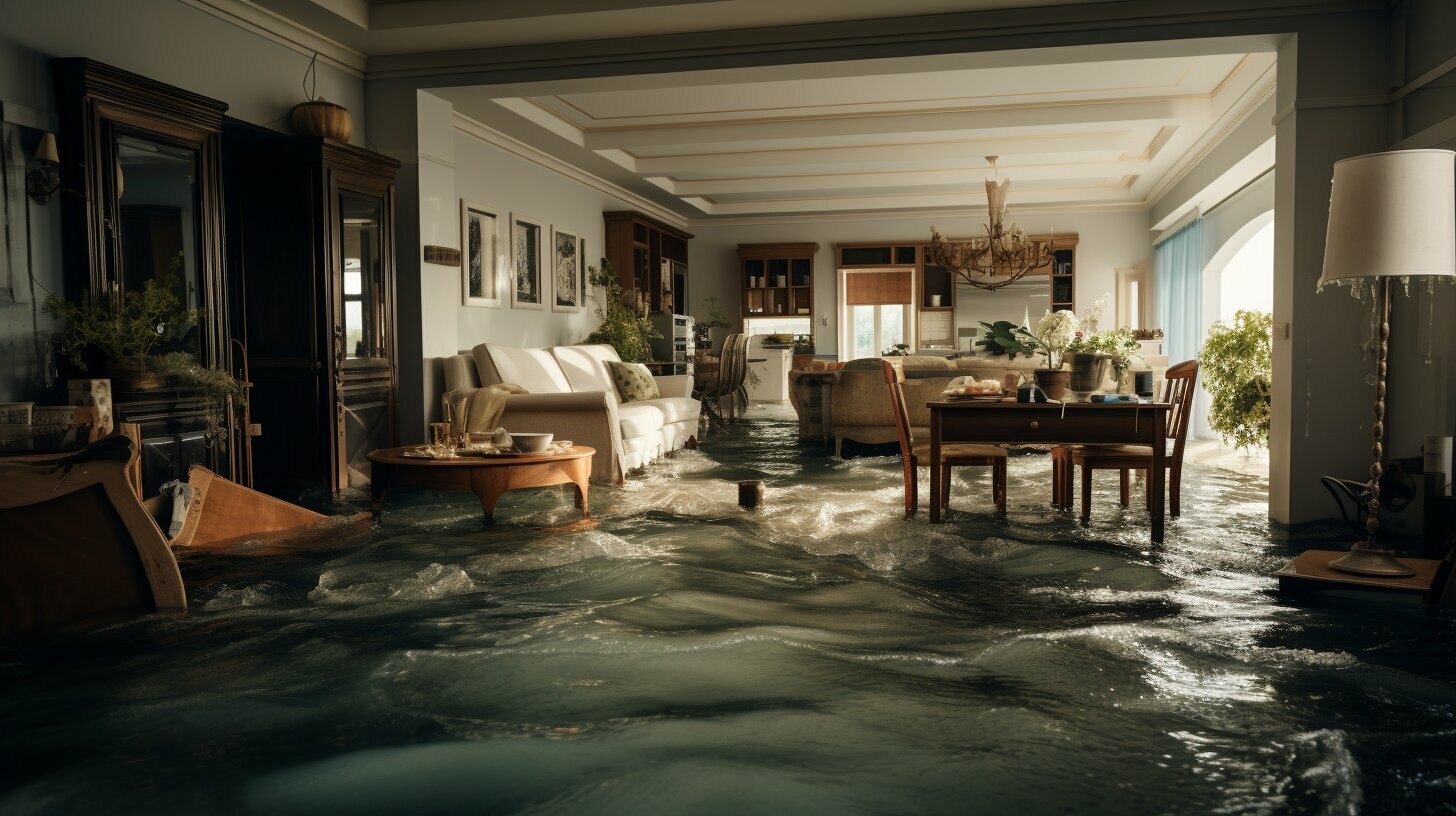




Water damage can sneak up on you, turning a simple fix into a big problem if not caught early. For homeowners, spotting water damage in floors is key to keeping their homes safe and healthy. It’s important to watch for signs of water damage to avoid serious problems like mold and damage to the home’s foundation.
So, how do you know if your floor has water damage? It’s like being a detective in your own home. Look for signs like warped or buckled hardwood floors and stains that show a leak. A musty smell is also a warning sign of mold, which loves damp places.
Even if you can’t see the damage, like a leaky pipe under the floor, you might notice higher humidity or strange smells. These signs mean you need to check things out. Finding and fixing these problems early can save your home from bigger issues.
Key Takeaways
- Early detection of water damage beneath floors is essential for preventing extensive repairs.
- Recognizing water damage in floor surfaces involves inspecting for warping, stains, and odors.
- Spotting floor water damage early can prevent health hazards like mold growth.
- Homeowners should be aware of increased humidity and unexplained cost spikes in water bills as signs of possible damage.
- Checking for floor water damage regularly can help maintain a home’s structural integrity and safety.
- Professional assessment is important for accurately evaluating and repairing water damage.
Early Signs of Floor Water Damage
Finding water damage in floors early can save a lot of money and prevent bigger problems. There are key signs of water damage on flooring to look out for:
Warping or Buckling Floors
One clear sign of water damage is when floors warp or buckle. This happens when too much moisture makes hardwood or laminate floors expand. This can cause them to become uneven, with cupping or crowning shapes.
Discoloration and Stains
Stains or unusual colors on floors can be the first sign of water damage. A dark spot on carpets or gray wood means moisture is building up. This could be under or inside the flooring.
Musty Odors and Mold Presence
A musty smell is a big warning sign of moisture problems. Mold also shows up with moisture, as blotchy spots on the floor. These signs not only mean water damage but also health risks.
Changes in Floor Texture
Floors that feel softer or spongier when walked on might have water damage. This texture change means water has reached the subfloor. It weakens the material and could cause more serious damage.
Checking your flooring regularly for these signs can help catch water damage early. This can save homeowners from expensive and big repairs.
How to Assess and Address Water Damage
Homeowners and property managers need to act fast when water damage happens. They must assess the damage quickly and respond promptly. This helps keep the floor surfaces in good shape. Here are some steps and methods for dealing with water damage, focusing on ways to identify water damage on floors and recognizing water damage in floor surfaces.
Start by looking at the floor closely. Look for dark spots, warping, or moisture on or between tiles or floorboards. A digital moisture meter is also a good tool. It gives exact moisture levels in the floor, showing if there’s water damage.
- Visually inspect the area for standing water and signs of moisture seepage.
- Check for discolored patches or warping that indicates prolonged water exposure.
- Use a moisture meter to obtain accurate moisture levels in the floor materials.
- Listen for changes in sound, such as creaking or squishing, when walking over the area.
If you think there’s water damage, stop the water source and remove standing water. Use air movers or fans to dry the area faster. Remember, water can get into the floor’s layers, needing professional help and repairs.
- Shut off any water sources to prevent additional flooding.
- Remove visible water collected on the floor’s surface to prevent seepage.
- Deploy fans or dehumidifiers to aid in the drying process, in closed or poorly ventilated spaces.
Talking to flooring and restoration experts is key. They can check the wood’s moisture, look for structural damage, and suggest fixes. They can also check if the damage affects the subfloor, needing replacement or special treatments.
Fixing water damage means treating the symptoms and checking for more. Flooring pros give great advice on the damage’s extent and how to fix it. They make sure the repairs are strong and won’t cost too much.
Conclusion
Spotting floor water damage is key to keeping your home safe and sound. Signs like warping, color changes, and smells can mean trouble. Each type of floor shows its own warning signs.
Quick action is needed to fix water damage. First, stop the water from getting in. Then, dry the area well and check for mold or hidden damage.
Water damage can get worse fast, in just 24 to 48 hours. So, acting quickly is very important.
To avoid floor water damage, use prevention strategies. But, if damage happens, get help from experts. They offer the best advice and services to keep your floors and home safe.
Being alert to signs and quick to act can save your floors and home from water damage. This way, you protect your investment and keep your home safe.
Revive Your Property with Green Genie in Buffalo, NY
From water damage restoration to mold remediation, Green Genie delivers fast, professional, and eco-friendly solutions tailored to your needs. Restore your space and peace of mind—request your free consultation today!