




Drywall is a common material in homes and buildings across America. It’s used for New York walls and ceilings. But what happens when it gets wet? Many wonder is drywall ruined once it gets wet?
Understanding how water affects drywall is key for keeping it in good shape. This guide will help you understand drying wet drywall. It also offers insights into water damaged drywall repair. This knowledge is important for making the right choices when dealing with water damage.
Key Takeaways
- Drywall is highly susceptible to water damage and can exhibit signs of deterioration quickly.
- The extent of damage depends on the duration and amount of water exposure.
- Immediate action can sometimes mitigate the need for full replacement.
- Identifying common causes and signs of water damage can prevent extensive repairs.
- Professional assessment is often necessary for significant water damage scenarios.
Understanding the Impact of Water on Drywall in New York
Water can harm drywall, causing structural problems. When drywall gets wet, it absorbs water, making it weaker. This makes it hard to hold weight and can lead to mold growth, which is bad for health.
How Water Damages Drywall
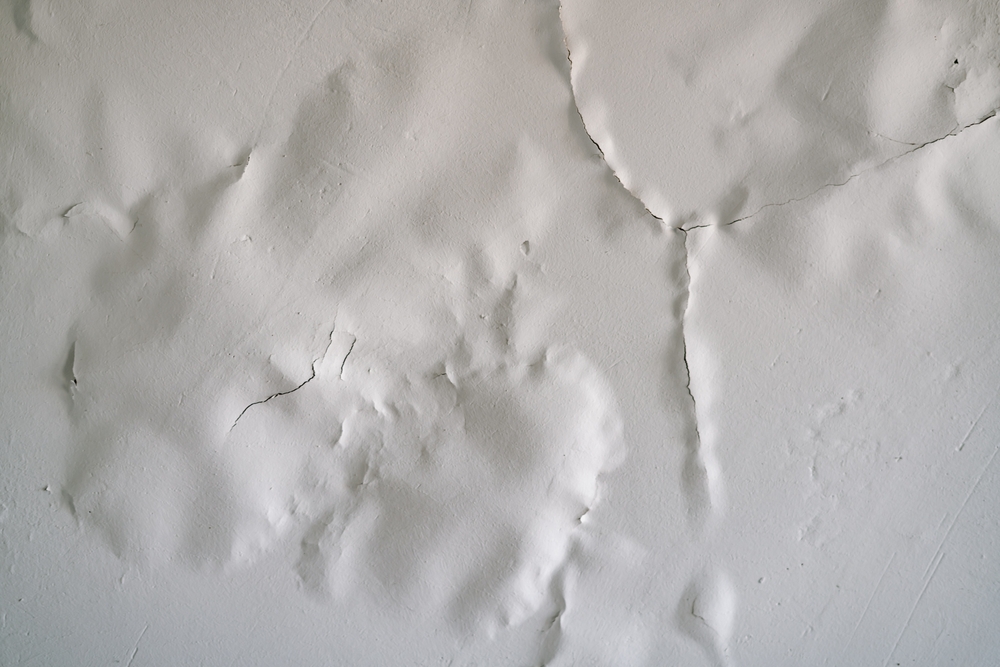
Water can make drywall swell, change color, and get soft. This makes it important to fix moisture problems fast. Water can also get into insulation, making repairs harder and needing quick action.
Common Causes of Wet Drywall in NY
Household leaks are a big cause of New York drywall damage, making up 30% of water damage. Snow melting or heavy rain can also cause damage. Poor ventilation can lead to moisture on drywall.
Signs of Water Damage on Drywall
Spotting moisture damage early can stop bigger problems. Look for water stains, soft spots, and mold. Checking behind baseboards and using moisture meters helps find damage fast. This helps fix wet drywall before it’s too late.
Is drywall ruined once it gets wet in New York?
Water damage on drywall is a big deal for New York homeowners. Wet drywall isn’t always a lost cause. But, acting fast is key to avoid bigger problems like mold.
Immediate Actions After Drywall Gets Wet in New York
Quick steps can make a big difference. First, remove any wet insulation. Then, use dehumidifiers to cut down moisture fast. Check the drywall’s moisture with meters to ensure it dries well. This helps a lot in preventing wet drywall damage.
Repairing vs. Replacing Wet Drywall in NY
Deciding to fix or replace wet drywall depends on the water damage. Small water spots might just need drying and patching. But, deep water damage often means the drywall must be replaced to keep the structure safe.
Spotting signs of water damage on drywall early helps get professional drywall repair services fast. This can stop mold problems. Also, using repairing wet New York drywall methods can fix the area without big renovations.
Conclusion
Moisture damage on drywall can cause big problems if not fixed fast. Knowing how water affects drywall helps spot issues early. This way, you can start fixing them right away.
Signs of water damage on drywall might seem small at first. But, they can get worse fast, leading to expensive fixes. Being quick to act helps New York homeowners deal with moisture better. Remember, fixing water damaged drywall quickly is key to avoiding bigger problems later.
Just because drywall gets wet doesn’t mean it’s ruined. Quick action is essential. Try drying out the wet drywall and get expert advice. Watch out for reasons why drywall gets wet and fix any leaks or moisture right away. This keeps your home safe and comfy.
Revive Your Property with Green Genie in Buffalo, NY
From water damage restoration to mold remediation, Green Genie delivers fast, professional, and eco-friendly solutions tailored to your needs. Restore your space and peace of mind—request your free consultation today!